


Anabolic steroids vs testosterone is mainly a category-versus-compound question: testosterone can sit within the wider anabolic-androgenic steroid group. To compare Sterolix listings accurately, check the named compound first, then review formulation, concentration, presentation, brand, manufacturer and available documentation.
The comparison starts with two different kinds of name
The phrase anabolic steroids vs testosterone places a broad category beside a more specific compound reference. “Anabolic steroids” can describe a group of anabolic-androgenic steroid compounds. “Testosterone” identifies one compound family that may appear within that group.
That difference changes how you read a product page. A shopper searching for testosterone may want a focused set of records, while someone searching for anabolic steroids may be comparing several compounds, presentations or brands. Treating both terms as interchangeable can lead to a poor product match.
Sterolix describes products through fields such as compound, formulation, concentration, brand, manufacturer and presentation. Those fields provide a more reliable comparison than a broad category label alone.
What the wider category includes
The Sterolix catalogue may list testosterone and nandrolone derivatives, boldenone, trenbolone, stanozolol and metenolone among related products. They can share a broad category while remaining different records.
A category page helps you find the subject area. It does not identify the precise compound, package or documentation attached to one listing.
What the compound name contributes
A compound name narrows the comparison, but it may still leave important questions unanswered. Two records can name testosterone while showing different formulations, concentrations, brands, manufacturers or package presentations.
The product title is therefore only the first line of identification. The fields below it determine whether two records are genuinely comparable.
What a Sterolix record can tell you that a category cannot
A useful comparison separates identity, presentation and supporting information. This prevents a shopper from treating a word such as “injectable” or “tablet” as if it were the active compound.
| Record field | The question it answers | What it cannot answer alone |
|---|---|---|
| Compound | Which compound does the listing name? | Whether every related product is equivalent |
| Formulation | Is the product injectable, oral or another listed form? | Which compound is inside the record |
| Concentration | What concentration does the page state? | Whether the product suits a person |
| Vial volume | What container volume is listed? | The concentration or compound identity |
| Tablet count | How many tablets are presented? | The amount per tablet unless separately stated |
| Brand | Which brand is attached to the listing? | Whether all products from that brand match |
| Manufacturer | Which manufacturer is named? | A guarantee about other records |
| Documentation | Which batch, report or verification source is available? | Medical advice or safety assurance |
The anabolic steroid product catalog guide expands this field-by-field method for readers comparing several compound records.
Missing fields should stay missing
If a product page does not state a concentration, vial volume, tablet count or manufacturer, do not fill the gap from another listing. Similar wording, the same brand or a nearby category page does not establish that the missing value is identical.
This matters when a store contains several products with related names. A clean comparison records what is present and leaves unsupported fields blank.
Why formulation does not settle the compound question
“Injectable,” “oral” and “tablet” describe how a product is presented. They do not identify the compound by themselves. An injectable record may name testosterone or another compound, while oral and tablet records can also refer to different compounds.
This is a common source of false comparisons. A shopper may place two injectable listings side by side and assume they represent the same product type. The correct comparison still begins with the exact compound name.
Injectable records need a compound check
An injectable product record may include a named compound, stated concentration, vial volume, brand and manufacturer. Each item answers a different question.
The word “injectable” narrows the presentation, but it does not replace the compound field. The injectable steroids product catalog is a useful related guide when the search begins with format rather than compound.
Oral and tablet records need quantity separation
Oral and tablet labels are also presentation terms. Tablet count tells you how many tablets the listing presents; it does not, by itself, state the amount per tablet or identify the compound.
For a more focused format comparison, the oral steroids product catalog separates oral presentation from the other record fields you still need to inspect.
A practical reading sequence
- Match the exact compound name.
- Identify the listed formulation or presentation.
- Copy the stated concentration exactly, if supplied.
- Note vial volume or tablet count as a separate value.
- Record the brand and manufacturer.
- Check documentation attached to that specific listing.
Concentration, vial volume and tablet count are not interchangeable
Quantity fields often create the biggest confusion in a product comparison. Concentration, vial volume and tablet count describe different properties of the record.
A concentration states the value supplied by the listing for the product formulation. Vial volume describes the size of the container when that field appears. Tablet count tells you how many tablets are included in the presentation. One number cannot substitute for another.
How the fields behave in a real comparison
Imagine two listings that both name testosterone. One may provide a concentration and vial volume. Another may show a different presentation or leave one of those fields unstated. The records cannot be compared accurately by looking only at the largest number or the shared compound word.
The same applies when comparing a testosterone listing with a product named boldenone, trenbolone or stanozolol. The compound difference comes first; package and quantity fields come after it.
Preserve the page’s exact wording
Do not convert an unlisted field from a category page, another brand or a familiar product pattern. If the record shows a vial volume but no concentration, report only the vial volume. If it shows tablet count without another amount field, do not create one.
This approach makes product comparisons clearer for both shoppers and store owners reviewing catalogue data.
Brand and manufacturer narrow the match, but do not prove equivalence
Sterolix may show brand and manufacturer information when it is available in the relevant product record. These identifiers help distinguish similar listings, especially when several records use related compound names or the same presentation.
They are still supporting fields. A brand name does not replace the compound, and a manufacturer name does not prove that every listing from that source has the same formulation or package.
Brand names belong beside the exact product
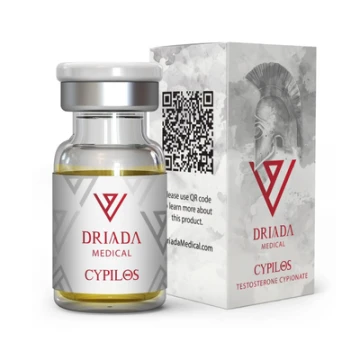
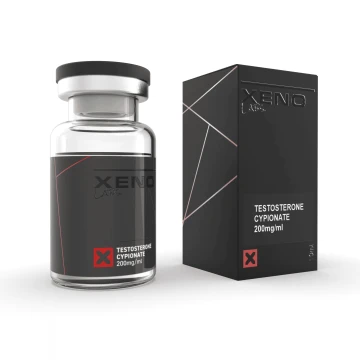
The catalogue includes brands such as Bull Pharma USA, Pharmaqo Labs USA, Evolve Biolabs INT, Gomeisa Labs USA, XT Labs USA, Xeno Labs US, Kassel Pharma USA, PeptidePlus USA, Omega Labs USA and Driada Medical EU, among others.
A brand can appear across multiple product records. Read the individual listing to confirm which compound, formulation and presentation are attached to that brand in that specific case.
The anabolic steroid brands and manufacturers directory helps with navigation between brand records, while the product page remains the source for its own listed details.
Documentation has a limited scope
Where available, a product page may include package information, vial volume, tablet count, batch information, a laboratory report or a manufacturer verification source. Those materials relate to the named product, sample, batch or verification method.
A laboratory report should not be extended to every product from the same brand. Manufacturer verification should be checked through the method published by that manufacturer when the listing supplies such a source.
Testosterone and TRT answer different search questions
Testosterone and TRT often appear in the same search journey, but they are not interchangeable terms. Testosterone is a compound reference. TRT is commonly used for testosterone replacement therapy, which is a treatment context rather than the full anabolic-steroid category.
A product record can show a compound, formulation, concentration and presentation where those details are supplied. It cannot determine whether a treatment is appropriate for an individual.
Catalogue identification versus treatment context
The catalogue question is: what does this record name, and which fields does it provide? A treatment question asks about a person’s medical circumstances, assessment and care. Those questions require different sources and should not be merged into a product comparison.
The Anabolic Steroids vs TRT guide covers the terminology difference for readers whose search includes both testosterone and TRT.
Keep unlisted medical details out of the comparison
A record comparison should not add a dosage, cycle, expected result, treatment purpose or personal suitability judgment when the page does not supply it. Keeping the wording at catalogue level protects the difference between product information and medical advice.
Shipping labels come after product identity
Sterolix uses USA Domestic and International Shipment labels for shipping or fulfilment distinctions. These labels do not identify the compound and should not be used to compare testosterone with another anabolic-steroid product.
Product availability, permitted destinations, fulfilment options and shipping methods may vary by product and destination. Applicable information appears during the order process. Tracking information may be provided after processing when the selected shipping method supports it.
A two-stage order review
First match the product record. Then review the fulfilment information shown for the destination.
- Exact compound
- Formulation and stated quantity
- Brand and documentation
- Shipment label
- Destination details during checkout
This order keeps shipping information from distorting the product comparison. It also avoids assuming that every product is available in every country or that import requirements are identical across jurisdictions.
A decision path for comparing two listings
When two records look similar, the following sequence gives you a consistent result without borrowing unsupported information.
The comparison worksheet
| Comparison point | Listing A | Listing B |
|---|---|---|
| Exact compound | Record the named compound | Record the named compound |
| Formulation | Injectable, oral, tablet or stated form | Injectable, oral, tablet or stated form |
| Concentration | Copy the supplied value | Copy the supplied value |
| Vial volume or tablet count | Record the applicable field | Record the applicable field |
| Brand and manufacturer | Use the individual record | Use the individual record |
| Batch or laboratory information | Note only if supplied | Note only if supplied |
| Shipment label | USA Domestic or International, if shown | USA Domestic or International, if shown |
Where the comparison should stop
If the compound is different, the records are not the same compound even when the formulation matches. If the compound is the same but concentration, package or manufacturer details differ, retain those differences rather than flattening them into one description.
If the record lacks a field, stop at the evidence available on that page. A shorter comparison based on stated facts is more useful than a complete-looking comparison built from assumptions.
The all Sterolix guides provide related pages on sachets, tablets, injectable records, oral products, documentation and shipment comparisons.
The answer in one sentence, and what to do next
Testosterone is a specific compound reference that can sit within the broader anabolic-androgenic steroid category, while “anabolic steroids” can cover several listed compounds. The purchase-relevant distinction appears in the product record: compound, formulation, concentration, presentation, brand, manufacturer, documentation and shipment information each need their own reading.
A detailed record can support a clearer catalogue comparison without making a medical, legal, safety or performance claim. When one field is absent, leave it absent and continue with the information the listing actually provides.
Frequently asked questions
Is testosterone an anabolic steroid?
Testosterone is an anabolic-androgenic steroid compound, while “anabolic steroids” is a wider category label. A product record still needs to be checked for its exact compound, formulation and presentation.
Are anabolic steroids and testosterone the same thing?
No. Testosterone can appear within the wider anabolic-steroid category, but that category can also include nandrolone derivatives, boldenone, trenbolone, stanozolol and metenolone when listed.
Does injectable mean the product is testosterone?
No. Injectable describes presentation, not the exact compound. Read the compound field separately from formulation, concentration and package information.
Do concentration and vial volume mean the same thing?
No. Concentration and vial volume are separate record fields, just as tablet count is separate from the amount per tablet. Copy each stated value exactly as shown.
Can a laboratory report apply to every product from a brand?
No. A laboratory report is limited to the specified product, sample, batch and report details. It should not be treated as a universal statement about every listing from that brand.
Does USA Domestic Shipment identify a different steroid compound?
No. USA Domestic and International Shipment are shipping or fulfilment labels. They do not replace the compound or formulation fields, and destination information can vary by product.
How should I compare a testosterone listing with another anabolic-steroid product?
Match the exact compound first, then compare formulation, concentration, presentation, brand, manufacturer and available documentation. Leave any unlisted field blank instead of inferring it from another record.
Comments and Ratings
No comments yet. Be the first to share your view.