


To compare the best post cycle therapy for test, start with the product record rather than a product name or broad claim. Review the stated compound, formulation, concentration, presentation, brand and available documentation, then check destination-specific order information before making a decision.
Read the search intent as a catalogue question
The phrase “best post cycle therapy for test” sounds like a request for one definitive product. A product catalogue cannot establish a universal choice for every shopper, so the useful answer is a structured comparison of records that appear relevant to a testosterone-related search.
Sterolix identifies products by information such as compound or formulation, concentration, brand, manufacturer and presentation. Where available, a record may also show package details, vial volume, tablet count, batch information, a laboratory report or a manufacturer verification source. Those fields help you understand what the store lists without turning catalogue information into medical advice.
Separate the query from the evidence
“Best” is a comparison word. It does not prove that one item is suitable for every person, and it does not tell you that two products with similar names have the same format or documented fields.
A shopper searching for this phrase may be trying to locate a named item, compare tablets with injectable records, inspect a manufacturer, or find documentation. Each purpose requires a slightly different reading of the page. Begin by identifying the actual product records available, then compare the same fields across each candidate.
Use the product page as the boundary
If a page states a compound, concentration, tablet count or vial size, record that information as written. If the field is missing, mark it as not stated. Do not fill a blank with information from another listing, a familiar brand, or a general assumption about the product category.
The same rule applies to shipping, payment, returns and guarantees. Product availability, permitted destinations, fulfilment options and shipping methods can vary by product and destination. Applicable information is shown during the order process, while universal delivery times, payment methods, return conditions and warranty terms are not established by the supplied store facts.
Compare compound, formulation and presentation
A useful comparison starts with the fields that distinguish one record from another. Compound and formulation identify the type of item listed. Presentation tells you how the catalogue describes its packaging or format. Concentration, volume and count should remain separate rather than being blended into one conclusion.
Start with compound and formulation
A post cycle therapy-related search can lead to records from different catalogue groups, including oral products, tablets, injections or other related entries. A broad search association does not make those records interchangeable.
Read the exact wording on the page. Ask whether the record identifies the compound or formulation clearly, whether the form is a tablet or vial, and whether the item belongs to the category you intended to inspect. The post cycle therapy product records guide provides a separate way to compare catalogue fields without treating similar product names as identical.
Keep concentration, volume and count distinct
Concentration describes the stated amount on a product record according to the basis shown there. Vial volume describes the container presentation. Tablet count describes how many tablets the listing identifies. These are different fields with different uses in a catalogue comparison.
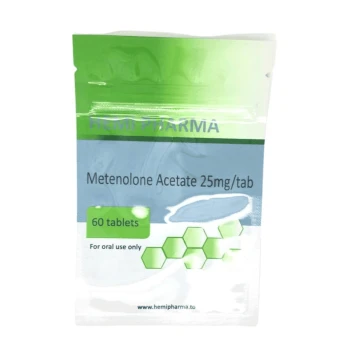
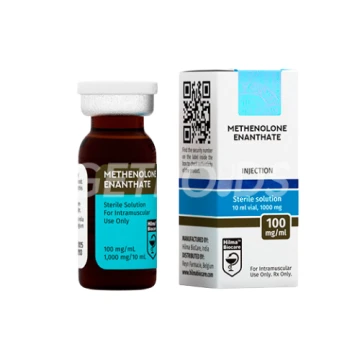
For example, one listing may state a concentration and a vial volume, while another lists a tablet count. That difference does not establish that one item is stronger, weaker, more suitable or equivalent to the other. It simply shows that the two records use different presentation details.
Do not convert between formats or use these fields to create a dose, schedule, duration or expected result. Those are not catalogue facts supplied for this page.
Record packaging details exactly
Package size, vial volume and tablet count can help you distinguish records when several listings use related wording. Copy the stated unit and number carefully, including whether the page identifies a box, bottle, vial or tablet presentation.
If a package field is absent, do not infer it from a brand’s other products. A record from the same manufacturer may use a different presentation, and the store facts only support information shown for the relevant listing.
- Search phrase
- Relevant product records
- Compound and form check
- Brand and documentation review
- Destination check during ordering
Use brand and manufacturer information carefully
Brand and manufacturer names help identify records, but they do not answer questions about personal suitability. Sterolix may list brands such as Bull Pharma USA, Aslan Pharma, Gomeisa Labs USA, Driada Medical EU, Iran Hormone or other catalogue brands where the relevant product record provides that information.
Treat names as identifiers
A brand field helps you tell two records apart. A manufacturer field can show which producer the store associates with a listing. Neither field, by itself, establishes quality, safety, effectiveness or treatment suitability.
When comparing two records, write down the brand and manufacturer exactly as displayed. Avoid changing a manufacturer name into a broader claim about every product from that company. The comparison should remain tied to the individual catalogue page.
Check verification at the stated source
If the listing includes a manufacturer verification source, use the verification method published by that manufacturer. Compare the result with the product record’s available brand, presentation and batch information.
Do not describe a verification page as independent certification unless the store explicitly says so. Verification is limited to the source, item and information available for that record. It is not a medical assessment or a general guarantee about the product line.
Compare like with like
A practical comparison table might look like this:
| Field | Record what the page states | Do not infer |
|---|---|---|
| Compound or formulation | Exact product wording | A different compound with a similar search association |
| Presentation | Tablet count, vial volume or stated format | Dose, schedule or duration |
| Concentration | The stated concentration and unit | Equivalence between different formats |
| Brand and manufacturer | Names shown on the record | Quality or medical suitability |
| Documentation | Batch, report or verification details | Safety, purity or effectiveness guarantees |
| Shipment label | USA Domestic or International Shipment where shown | Legal import permission or universal delivery |
Read laboratory and batch documentation narrowly
Documentation can make a product record easier to inspect, but it should be matched to the exact item and details identified. A laboratory report may relate to a specific product, sample, batch and report number. It should not be expanded into a claim about every product from a brand or category.
Match a report to the listing
Look for the product name, sample or batch details shown in both the listing and the report. If the identifiers do not match, keep the report separate from the record rather than using it to fill an unexplained gap.
A precise description is that the page includes a report for the stated product or batch, when that is what the page shows. Do not rewrite that fact as proof of safety, purity, effectiveness or medical suitability.
Mark missing evidence plainly
A strong comparison does not hide missing information. If a product page does not show a batch number, say that the batch number is not stated. If it shows a brand but no manufacturer verification source, record that distinction.
This approach is especially useful when several records look similar. One may include a laboratory document while another provides only basic product fields. The difference is worth showing, but it does not establish an overall winner.
Follow the Testoplex E 300 product path
A named query such as “testoplex e 300” points to a product-identification task. The shopper may want to locate a specific record, compare its stated presentation, or check whether documentation is available. The query alone does not reveal medical history, intended timing, dosage, cycle details or legal eligibility.
Identify the exact record
Open the relevant product page and check the fields supplied by the store: compound or formulation, concentration, brand, manufacturer, presentation and available documentation. If the record identifies a vial size, package detail or batch field, capture it exactly as shown.
Do not assume that the product name supplies every answer. A number in a product title may be part of the catalogue naming, but the page’s stated formulation and presentation remain the evidence for the comparison.
Compare nearby records using the same fields
Once the named record is identified, compare it with related listings using one consistent set of fields. You may find that one page includes a vial volume while another shows a tablet count, or that only one record provides batch information.
The best post cycle therapy product listings can help you move from a named search to a broader review of product records. Return to the individual listing for the current details before considering an order.
Do not turn a named query into a personal recommendation
Search wording cannot establish whether a product is appropriate for an individual. Keep the article focused on record identification, documentation and catalogue comparison. Personal treatment decisions require qualified medical advice, which the product and documentation pages do not provide.
Check shipment and order-stage information
Product comparison is incomplete if it ignores destination. Sterolix uses labels such as USA Domestic and International Shipment, but the label alone does not establish that a product can be delivered to every country or that import permission exists.
Review the destination-specific details
Availability, permitted destinations, fulfilment options and shipping methods may vary by product and destination. Product status, import requirements and applicable regulations also differ between jurisdictions.
Before ordering, check the information displayed for your destination during the order process. Do not infer legal eligibility or universal delivery from a shipment label, brand name or product category.
Keep payment and returns separate
The store facts identify a Payment section but do not specify a payment method. They also do not clearly establish return conditions, warranty conditions, delivery times or delivery fees.
A useful page should say what is known and leave the rest for the order-stage information. This prevents a catalogue guide from promising a policy that the store has not published in the supplied facts.
Use related guides for the next comparison
A shopper who begins with a post cycle therapy search may have a second question about product records, injection equipment or category terminology. Internal links should guide that next step without suggesting that an adjacent page answers a medical question.
Choose the guide that matches the task
For a wider route through Sterolix’s educational pages, use the complete Sterolix guides collection. It is suitable when the shopper needs to compare catalogue records beyond one product group.
If the next task concerns equipment records, the peptides and testosterone syringe comparison covers a separate product-record question. It should not be presented as evidence about therapy suitability.
For category language, the anabolic steroids and TRT comparison guide explains how to read the distinction in catalogue terms. Classification still does not provide personalised medical advice.
Keep every anchor descriptive
An internal link works best when its anchor tells the shopper what the destination contains. “Post cycle therapy product records guide,” “peptides and testosterone syringe comparison,” and “complete Sterolix guides collection” each point to a different purpose.
Avoid using the same generic anchor for every guide. Specific anchors make it easier to choose the next page and help separate product-record research from unrelated catalogue tasks.
Apply a repeatable comparison method
The word “best” becomes more manageable when you define the comparison using fields that can be observed on the page. A strong result does not need to name a universal winner. It needs to show why a record was included, what is documented and what remains unknown.
Record the same fields for every candidate
Use this sequence when comparing two or more listings:
- Copy the compound or formulation wording exactly as displayed.
- Record the presentation, including tablet count or vial volume if stated.
- Note the stated concentration and unit without converting it into another format.
- Identify the brand and manufacturer shown on the product page.
- Check whether batch details, a laboratory report or a manufacturer verification source is available.
- Review USA Domestic or International Shipment labels where shown.
- Confirm availability and destination information during the order process.
This method works for a short list of two products or a larger catalogue with many records. It keeps your notes consistent and prevents a memorable product name from becoming the only comparison factor.
Know when the record cannot answer the question
Sometimes the correct conclusion is that the catalogue does not state enough information to distinguish two records. If a field is missing, leave it marked as unknown. If a report refers to another batch, keep it attached to that batch. If shipping information depends on destination, check the order stage.
The live product page remains the appropriate source for current catalogue details. Availability, presentation and documentation may change, so review the record again before ordering.
A careful answer to the search for the best post cycle therapy for test is therefore a documented comparison, not a universal recommendation. Start with the exact record, compare the stated fields, inspect documentation narrowly, and check destination details before placing an order.
Frequently asked questions
What is the best post cycle therapy for test?
There is no single catalogue answer that is suitable for every person. Compare records by compound or formulation, presentation, stated concentration or count, brand, manufacturer and available documentation, and seek qualified medical advice for personal decisions.
What should I check on a post cycle therapy product page?
Check the exact compound or formulation, tablet count or vial volume, stated concentration, brand, manufacturer and any batch, laboratory report or manufacturer verification information. Review shipment details and destination-specific information during the order process.
What does the Testoplex E 300 search query indicate?
It is a named-product search path that may indicate a shopper wants to locate or compare a specific catalogue record. The query does not establish medical needs, intended use, dosage or legal eligibility.
Does a laboratory report prove that a product is safe?
No. A laboratory report is limited to the product, sample, batch and report details it identifies. It should not be presented as a guarantee of safety, purity, effectiveness or medical suitability.
Can I assume International Shipment means delivery to my country?
No. Product availability, permitted destinations, fulfilment options and shipping methods can vary by product and destination. Check the applicable information during the order process and review local import requirements.
Does Sterolix provide medical advice about post cycle therapy?
No. Product and documentation information is catalogue information and does not replace medical advice. The available store facts do not support personalised treatment, dosage instructions or claims about health or performance results.
How should I compare tablets with injectable records?
Keep the formats separate and record the fields each page actually states, such as tablet count or vial volume. Do not convert between formats or infer a schedule, dose, result or equivalence from the presentation alone.
Comments and Ratings
No comments yet. Be the first to share your view.