


Collagen peptides how to use questions should begin with the exact product record, because a catalogue page may identify a peptide without providing personal-use or medical instructions. On Sterolix, compare the named compound, formulation, concentration, brand, manufacturer, presentation and available documentation before deciding whether a listing matches your search.
What “collagen peptides how to use” means on a product page
The search phrase can describe several different needs. You may want to know whether a listing is actually a collagen product, how its format is described, which details matter before purchase, or where product documentation appears. Those questions need different answers from a catalogue record.
Sterolix product pages describe products through available catalogue fields such as compound or formulation, concentration, brand, manufacturer and presentation. Some records may also show package details, vial volume, tablet count, batch information, a laboratory report or a manufacturer verification source. These fields help you identify and compare a listing; they do not create a dosage schedule, treatment plan or personalised instruction.
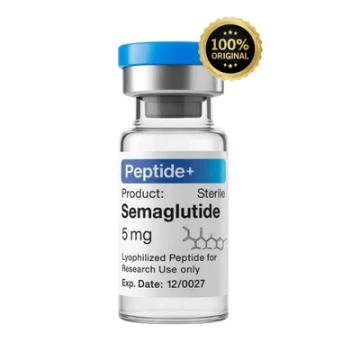
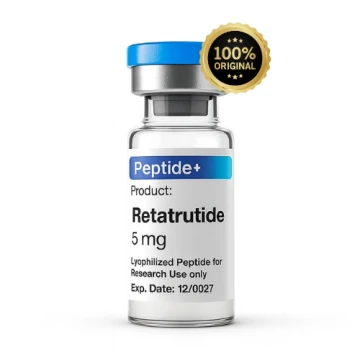
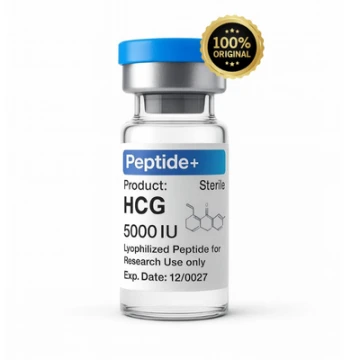
The store has a peptide products category and lists examples including somatropin, HCG, semaglutide, retatrutide, IGF-DES and epitalon. The supplied store facts do not identify a collagen peptide product or provide collagen-specific usage directions. A search result containing the word “collagen” therefore needs to be checked against the individual page rather than assumed from the category name.
The product identity comes before the usage question
Compound names and formulations
A category is a starting point, not proof of product identity. Peptide listings can represent different compounds and formulations, so two products placed in the same category may not answer the same search intent.
The product title, description and specification fields should be read together. Look for the exact compound or formulation named on the page. If the listing only says “peptide” or provides a general category label, the record does not establish that it is collagen-based.
This distinction matters when a shopper compares several pages. One listing may show a named compound and concentration, while another may show only a brand or package description. The second page contains less information for a direct comparison, even if both records appear in the same product group.
The guide what peptide product records contain gives more context on separating product identity from surrounding catalogue details.
Category labels, search terms and page content
Search wording describes the question you typed. It does not change the identity of the products returned. A query about collagen may lead to a broad peptide category, a guide page or a product record that does not mention collagen at all.
A reliable reading pattern keeps three items separate:
- Search phrase: the information you want to find.
- Catalogue category: the group where the store places related products.
- Product record: the page containing the specific facts available for one listing.
Only the product record can establish what the store identifies for that individual entry. If collagen is not named in the product title, description or available specifications, leave that point unconfirmed.
Which fields help you compare peptide listings
Formulation, concentration and presentation
Once the named compound is clear, compare the way the listing is presented. Sterolix records may identify formulation, concentration, brand, manufacturer and presentation where those details are available.
A concentration and a package size are different facts. A vial volume does not automatically state the amount of active material. A tablet count describes the number of tablets in the presentation, not a personal schedule. Keeping these fields separate prevents a visible number from being treated as an answer to every usage question.
A record comparison table
| Record field | What it tells you | What it does not establish |
|---|---|---|
| Compound or formulation | The product identity named on the page | A personal-use instruction |
| Concentration | The concentration stated in the record | A dose or schedule |
| Vial volume or package | The listed presentation or container detail | The amount a person should use |
| Tablet count | The number of tablets shown, if provided | Medical suitability |
| Brand or manufacturer | The commercial identity shown on the record | A guarantee about the product |
| Batch or report reference | The documentation connection, if supplied | Safety, effectiveness or treatment suitability |
The peptide product comparison guide is useful when several records use different layouts or disclose different fields. It keeps the comparison tied to what each page actually states.
Brand and manufacturer details
Brand and manufacturer information can help you distinguish records that otherwise look similar. Sterolix lists brands including Bull Pharma USA, Pharmaqo Labs USA, Evolve Biolabs INT, PeptidePlus USA, Omega Labs USA and other names. The relevant product page determines whether a brand or manufacturer is shown for a particular listing.
A detail from one product page should not be transferred to another brand or compound. If one record contains manufacturer information and another does not, the second record remains less documented in that field. The absence of a supplied field should be recorded as unknown rather than filled with a general assumption about the brand.
A practical route from search result to product record
The five-stage comparison path
A clear comparison moves from the broad category to the individual record and then to order-stage information.
- Peptide category
- Individual product page
- Compound and formulation
- Documentation and presentation
- Order-stage destination details
The peptide category helps you locate possible records. The individual product page determines whether the entry names the compound or formulation you are researching. After that, the available concentration, package, brand, manufacturer and documentation fields can be compared.
A useful sequence is:
- Locate the relevant peptide category or guide page.
- Open each individual product record that appears related to the search.
- Check whether the page names a collagen formulation rather than only a general peptide category.
- Separate concentration, package size, vial volume and tablet count.
- Record any batch, laboratory report or manufacturer verification reference.
- Review shipment and destination information during the order process.
The guide peptides and their listed uses explains why broad peptide searches can lead to records with different names and descriptions. It should support your reading of the catalogue, not replace the facts on the specific product page.
Known information and missing information
A useful comparison records both what appears and what does not appear. One listing may show a manufacturer but no batch reference. Another may show a package description but no concentration. These are differences in available documentation, not invitations to infer missing facts.
A short comparison note might look like this:
- Named compound: stated or not stated.
- Collagen formulation: confirmed on the page or not established.
- Concentration: listed or unavailable.
- Presentation: vial, tablet or another format if stated.
- Brand and manufacturer: shown or unavailable.
- Documentation: connected to the product and batch, or not shown.
- Shipment label: displayed, with final details subject to the order process.
This format is especially useful when product counts grow. Comparing two records from memory can hide a missing field; a written record makes the difference visible.
Documentation has a defined scope
Laboratory reports and batch references
A laboratory report, when available, should be read alongside the product, sample and batch information attached to it. Its scope is limited to the documented item and the information supplied with that report.
The report should not be presented as proof that every product from the same brand has identical characteristics. It also does not establish safety, effectiveness, medical suitability or a treatment result. Its role in this comparison is narrower: it shows that documentation is available for the identified product or batch information.
Manufacturer verification sources
If a product record provides a manufacturer verification source, use the method published by that manufacturer and compare the result with the listing details. The product name, brand, batch reference and other identifiers need to correspond where the source requires them to correspond.
A verification page that cannot be matched to the product record leaves the relationship unclear. Avoid treating a general brand page as verification of every listing in that brand’s catalogue.
Product format is not a personal-use instruction
Vials, tablets and package descriptions
The presentation tells you how the listing is packaged or displayed. A vial volume is a container detail. A tablet count is a package detail. Neither one supplies a dose, frequency or personal plan.
The same separation applies to concentration. A concentration shown on a page is a product-record field, not a recommendation for how much someone should use. The supplied store facts do not provide collagen-specific dosage instructions or medical supervision.
Why the distinction matters for search intent
Many “how to use” searches combine product research with a request for practical instructions. A catalogue can answer the first part by identifying the listed formulation and its presentation. It cannot answer the second part when the page does not provide those instructions.
That boundary protects the accuracy of the page. It also gives you a better buying question: does this record identify the product clearly enough for the comparison you need? If not, the correct next step is more record review, not a guessed schedule.
Shipment and order-stage details
USA Domestic and International Shipment labels
Sterolix uses “USA Domestic” and “International Shipment” labels. Product availability, permitted destinations, fulfilment choices and shipping methods may vary by product and destination. The applicable information appears during the order process.
An international shipment label does not establish that every country can receive every product. It also does not confirm that import requirements are satisfied or that a fixed delivery period applies. Product status, import requirements and regulations differ by jurisdiction.
Payment, delivery, returns and warranties
The supplied store facts identify a Payment section but do not name a payment method. Return terms, warranty terms, delivery times and shipping charges are not specified in the available facts.
Those points should remain separate from the product comparison. A clear record can confirm the compound, presentation and documentation shown on the page while leaving payment, return, warranty and delivery conditions for the order-stage information that actually states them.
When the record does not answer your question
A controlled stop is better than an unsupported assumption
Sometimes a product page does not identify the compound clearly, does not show the formulation you need, or does not connect documentation to a product and batch. In that situation, the record may not support a confident answer to a collagen-related search.
The missing information should remain missing. Do not turn a general peptide label into a collagen claim, a vial volume into a dose, or a laboratory report into a safety statement.
Correcting a mistaken reading
If you began by assuming that every peptide result was collagen, return to the product name and description. If you treated package size as usage guidance, separate the fields. If you treated a manufacturer verification source as a guarantee, narrow the statement to the verification method and product identifiers it covers.
The result is a more defensible record:
- The page identifies the compound or it does not.
- The collagen formulation is named or remains unconfirmed.
- The concentration is stated or unavailable.
- The presentation and package details are stated or unavailable.
- Documentation is linked to a product, sample and batch or it is not.
- Shipment information is shown for the destination or remains subject to the order process.
For broader comparisons, the Sterolix guide library includes related pages on product records, buying comparisons and peptide categories.
A repeatable method for future peptide searches
The same method works when the search phrase includes a desired use, a body area, a product format or a brand name. Search language tells you what to investigate. The product record tells you which facts the store actually supplies.
A compact note for a future listing could read: “The peptide record was reviewed; collagen identity is confirmed or not established from the named formulation; concentration and presentation were checked where shown; documentation remains limited to the stated product, sample and batch information; shipment details depend on the order stage.”
That wording is precise because each part can be traced to a field on the page. It also prevents a shopper from confusing product identification with personal medical guidance.
The guide to buying peptides online through product records extends this method to the pre-order stage. Return to the individual listing for the current product name, available specifications and destination-specific information.
A good catalogue comparison ends with a clear boundary: the product is identified only by the details the page supplies, and every unanswered field stays visible.
Questions about collagen peptides and product records
Can Sterolix confirm how to use collagen peptides?
The supplied store facts do not provide collagen-specific usage directions, dosage instructions or personalised medical advice. Sterolix product pages should be read as catalogue records describing the information available for each listing.
Does the peptide category prove that a product contains collagen?
No. The peptide category is broad, and the supplied examples include compounds that are not identified as collagen. Check the individual product name, description and formulation instead of relying on the category label.
What should I compare between peptide product pages?
Compare the named compound or formulation, concentration, brand, manufacturer and presentation. Where available, also review package details, vial volume, tablet count, batch information, laboratory reports and manufacturer verification sources.
Is a laboratory report a guarantee that a peptide is safe or suitable?
No. A laboratory report is limited to the product, sample and batch information documented with it. It is not a safety guarantee, medical recommendation, effectiveness claim or statement of treatment suitability.
Does a vial volume tell me how to use a product?
No. Vial volume describes the listed presentation or container. It should not be treated as a dose, frequency, schedule or personal instruction.
Can every country receive products marked International Shipment?
The supplied facts do not say that every country can receive every product. Permitted destinations, availability, fulfilment choices and shipping methods vary, with applicable information shown during the order process.
Where can I compare more peptide records?
The Sterolix peptide record guides include related pages on peptide records, buying comparisons and product-page details. The individual product listing remains the source for the current fields shown for that item.
Frequently asked questions
Can Sterolix confirm how to use collagen peptides?
The supplied store facts do not provide collagen-specific usage directions, dosage instructions or personalised medical advice. Sterolix product pages should be read as catalogue records describing the information available for each listing.
Does the peptide category prove that a product contains collagen?
No. The peptide category is broad, and the supplied examples include compounds that are not identified as collagen. Check the individual product name, description and formulation instead of relying on the category label.
What should I compare between peptide product pages?
Compare the named compound or formulation, concentration, brand, manufacturer and presentation. Where available, also review package details, vial volume, tablet count, batch information, laboratory reports and manufacturer verification sources.
Is a laboratory report a guarantee that a peptide is safe or suitable?
No. A laboratory report is limited to the product, sample and batch information documented with it. It is not a safety guarantee, medical recommendation, effectiveness claim or statement of treatment suitability.
Does a vial volume tell me how to use a product?
No. Vial volume describes the listed presentation or container. It should not be treated as a dose, frequency, schedule or personal instruction.
Can every country receive products marked International Shipment?
The supplied facts do not say that every country can receive every product. Permitted destinations, availability, fulfilment choices and shipping methods vary, with applicable information shown during the order process.
Where can I compare more peptide records?
The Sterolix peptide record guides include related pages on peptide records, buying comparisons and product-page details. The individual product listing remains the source for the current fields shown for that item.
Comments and Ratings
No comments yet. Be the first to share your view.