


Skin care reviews on Sterolix are best treated as product-record comparisons, not medical evaluations: review the listed compound, formulation, concentration, brand, presentation and available documentation. Because Sterolix focuses on anabolic-androgenic steroids and related compounds, the keyword can also lead visitors to a catalog that does not match ordinary cosmetic skincare searches.
What “skin care reviews” means in the Sterolix catalog
The phrase skin care reviews usually suggests opinions about creams, cleansers, toners or other cosmetic products. Sterolix has a narrower catalog position: it focuses on anabolic-androgenic steroids and related compounds, with listings organized around compound or formulation details, concentration, brand, manufacturer and presentation. That difference matters before you compare any page.
A useful review therefore asks, “What does this record identify?” rather than, “What result will this product produce?” The record may name testosterone or nandrolone derivatives, boldenone, trenbolone, stanozolol, metenolone, letrozole, tamoxifen, sildenafil, somatropin, HCG, semaglutide, retatrutide, IGF-DES or epitalon. Those names describe catalog entries; they do not establish suitability for skincare, treatment, performance or any individual purpose.
Search intent can be mixed. One visitor may want a conventional skincare review, while another may be using “skin care” broadly when looking for skin-health-related product records. The skin health product-record guide helps separate that broader subject from a listing-level review.
The catalog scope behind the search
Sterolix groups products into areas such as all steroid products, injection products, oral products and tablets, and peptide products. A record can therefore look very different depending on whether it describes an injectable presentation, an oral tablet format or a peptide-related item.
A category name does not replace the individual record. Two entries in a related category may differ by compound, concentration, manufacturer, brand, package, vial volume or tablet count. The comparison belongs at product-page level, where those fields are shown when available.
Reviews are records, not outcome reports
A catalog review can tell you whether the page identifies a formulation and whether supporting information is present. It cannot turn a product description into medical advice, a safety assessment, a treatment recommendation or proof of a particular result.
Laboratory reports and manufacturer verification sources also have a limited role. They may relate to a named product, sample, batch and report, but their presence is not a guarantee of safety, purity, effectiveness or suitability.
The fields that make two listings comparable
A clear comparison starts with fields that can be placed beside each other. If one page names a compound and concentration while another provides only a product title, the available evidence is not equivalent.
| Record field | What it helps you identify |
|---|---|
| Compound or formulation | The substance or stated formulation attached to the listing |
| Concentration | The amount or concentration stated by that record |
| Brand and manufacturer | The commercial and production identifiers shown on the page |
| Presentation | Injection, oral, tablet, peptide or another listed format |
| Package details | Vial volume, tablet count or package information when supplied |
| Batch or report data | Specific documentation tied to a product or sample when available |
| Shipment label | Whether the page refers to USA Domestic or International Shipment |
Compound, formulation and concentration
The compound name gives the record its primary identity, but the formulation and concentration add the detail needed for comparison. A visitor comparing two entries should record the exact wording rather than shortening every item to a familiar nickname.
For example, a testosterone-related entry and a nandrolone-related entry are not interchangeable simply because both appear in the same catalog area. Likewise, two products associated with one compound may still differ in formulation, concentration, brand or presentation.
The skin health reviews product-record guide explains how to read those identifiers without treating a catalog label as a clinical conclusion.
Presentation and package information
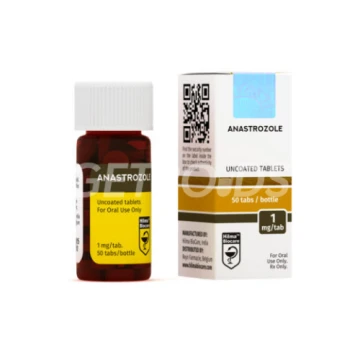
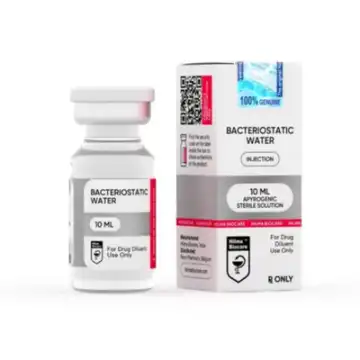
Presentation tells you how the listing is organized: an injection product, oral product, tablet, peptide or another format. Package information may add vial volume, tablet count or another stated unit. These details help you distinguish similarly named records, but they do not provide dosing instructions.
A missing field should remain missing in your comparison. If a page does not state a tablet count, vial volume or batch number, the review should say that the detail is not shown rather than estimating it from another listing.
A practical comparison row
A simple internal comparison can look like this:
- Product name as displayed
- Compound or formulation
- Concentration shown on the record
- Brand and manufacturer, if listed
- Presentation and package details
- Batch, laboratory or verification information, if supplied
- Shipment label and order-stage information
This structure keeps the review tied to visible record data and makes it easier to spot where two pages genuinely differ.
How available documentation changes the review
Documentation can add traceability to a product record, but it does not change the limits of the catalog. Sterolix may show a laboratory report or a manufacturer verification source when one is available. The relevant question is whether that material is connected to the exact product, sample, batch and report details shown.
Batch and laboratory references
A laboratory document may identify a sample, batch or report. That connection is more meaningful for record comparison than a generic statement that a product has been tested. If the page includes a document, compare its identifiers with the listing instead of assuming that a file applies to every item from the same brand.
The absence of a report is also a record fact. It does not prove a product is unsuitable, and the presence of a report does not prove that it is safe or effective. A precise review reports only what the page makes available.
Manufacturer verification sources
When a manufacturer publishes a verification method, the relevant source is the method associated with that manufacturer and product. Brand names can appear across several records, while manufacturer information may be shown only on selected pages. Treat each displayed source as item-specific unless the page clearly connects it to a wider set of products.
A product record can support identification and documentation review. It cannot replace professional medical advice, a diagnosis, a prescription decision or an assessment of legal status in a destination country.
Availability, shipment and approval flow
A strong review includes the practical conditions that affect whether a listing can be ordered. Product availability, permitted destinations, fulfillment options and shipping methods can vary by product and destination. The applicable information appears during the order process rather than as a universal promise for the whole catalog.
USA Domestic and International Shipment labels
Sterolix uses USA Domestic and International Shipment labels. These labels describe the shipment route shown for an item; they do not establish that every product can be sent to every country or that import requirements are satisfied.
Product status, import rules and applicable regulations can differ by jurisdiction. A shopper should review the destination-specific information presented for the selected product before proceeding.
What happens at the order stage
The order flow is where product availability, destination eligibility and available shipping methods are clarified. If the selected shipping method supports tracking, tracking information may be provided after the transaction. Delivery times and shipping fees are not stated as universal catalog facts, so they should not be inferred from the shipment label.
- Product record
- destination and availability review
- applicable shipping options
- order-stage information
- tracking details when supported
The site includes a Payment section, but no specific payment method is established in the supplied store information. Returns, warranties, delivery times and fees are also not presented as fixed terms. A review should leave those points open unless the selected order page states them.
Real comparison examples from a catalog visit
Suppose you open two records with related names. One may show a compound, concentration, brand, manufacturer and vial volume. The other may show a different formulation, a tablet count and no batch document. The useful conclusion is not that one is universally better; it is that the records contain different comparison fields.
Comparing injection and oral presentations
An injection listing and an oral tablet listing belong to different presentation groups. Their package fields will not match, and the presence of a vial volume on one page cannot be used to fill the missing tablet count on the other.
The comparison can still be organized around shared identifiers: product name, compound or formulation, brand, manufacturer and any available documentation. Presentation-specific fields should remain separate.
Comparing peptide-related records
Peptide products may be grouped separately from injections and oral products, and the record may use a compound name such as somatropin, HCG, semaglutide, retatrutide, IGF-DES or epitalon. The presence of a peptide name does not establish a skincare purpose or a medical use.
A careful review checks the exact description, concentration if supplied, presentation, package details and available source documents. The skin care product-record comparison guide provides a related way to compare Sterolix listings without collapsing different records into one category.
A realistic shopper prompt
That prompt keeps the review tied to supplied product information. It also makes missing data visible, which is more useful than filling gaps with assumptions.
Limits that belong in every responsible review
A review of product records should not turn a catalog into a source of personalized treatment advice. The store’s product and documentation information is not medical advice, and the available facts do not establish that a product is safe, effective, therapeutic or appropriate for a particular person.
Legal status and import requirements are also jurisdiction-specific. The catalog does not state that every product is lawful in every destination, that every country is served or that all listed products are available everywhere.
The same restraint applies to price, stock, delivery and returns. Currency options include USD, EUR and GBP, but a currency option does not guarantee a fixed price. Product availability, shipping costs, delivery times, return terms and warranty terms should be taken from the applicable page and order stage when shown.
For related topics, the skin care price comparison guide covers how to compare stated product-record details without turning a displayed amount into a price guarantee. The full Sterolix guides collection offers additional record-reading subjects across the catalog.
A precise way to finish your skin care review
The most useful closing comparison answers four practical questions: what does the record identify, which fields are actually present, what documentation is connected to it, and what still depends on the destination or order stage?
A record with a named compound but no batch information should be described exactly that way. A page with a manufacturer verification source should identify the source without presenting it as a safety certificate. A shipment label should be reported as a route label, not as proof of universal delivery eligibility.
Those distinctions make a review more useful to store visitors who are deciding whether two Sterolix listings are materially different. They also keep the page aligned with the information the catalog actually provides.
Frequently asked questions
What are skin care reviews on Sterolix?
On Sterolix, skin care reviews are best understood as comparisons of product records rather than medical or cosmetic outcome reviews. The comparison can cover compound, formulation, concentration, brand, manufacturer, presentation and available documentation.
Does Sterolix list ordinary skincare creams and cleansers?
The supplied store information describes Sterolix as a catalog focused on anabolic-androgenic steroids and related compounds, including injections, oral products, tablets and peptides. It does not establish a general catalog of ordinary creams, cleansers or toners.
Which details should I compare between two product records?
Compare the exact compound or formulation, concentration, brand, manufacturer, presentation and package details shown on each page. Then check whether either record includes batch information, a laboratory report or a manufacturer verification source.
Do laboratory reports prove that a product is safe or effective?
No. A laboratory report may be tied to a particular product, sample, batch and report, but it is not a guarantee of safety, purity, effectiveness or suitability. The review should describe the document without making medical claims.
What do USA Domestic and International Shipment mean?
They are shipment labels used by Sterolix to distinguish routes shown for particular products. They do not prove that every product can be shipped to every country or that local import requirements are satisfied.
Can I rely on a product page for medical or dosage advice?
No. Sterolix product and documentation information is not medical advice and should not be treated as personalized treatment or dosage guidance. A product record can identify catalog information, but it cannot assess suitability for an individual.
Where can I compare Sterolix skin-health-related records?
The skin health product-record guide and related Sterolix comparison guides provide a structured way to inspect record fields. The full guides collection contains additional subjects for product, price and documentation comparisons.
Comments and Ratings
No comments yet. Be the first to share your view.