


Pharma Grade Products
Pharma Grade Products Overview
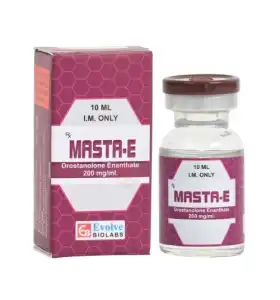
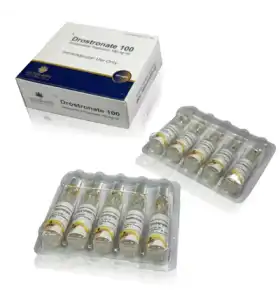
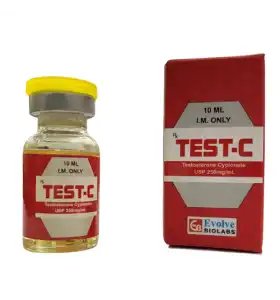
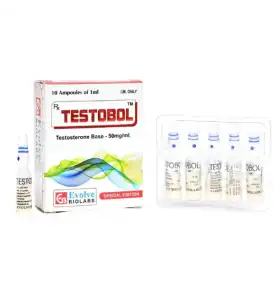
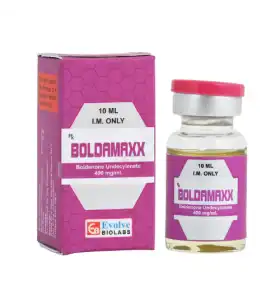
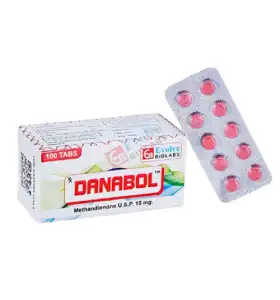
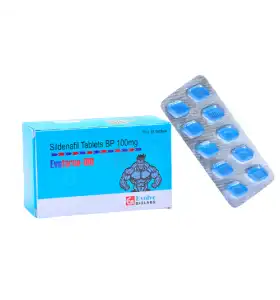
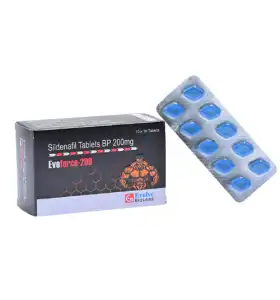
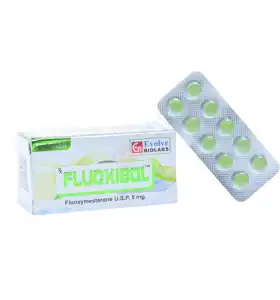
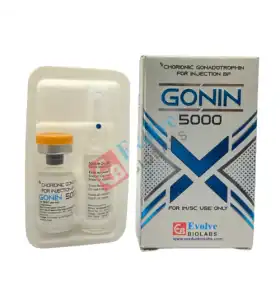
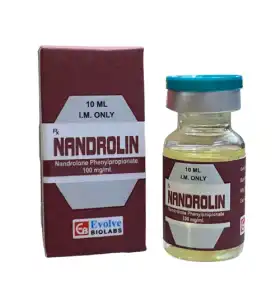
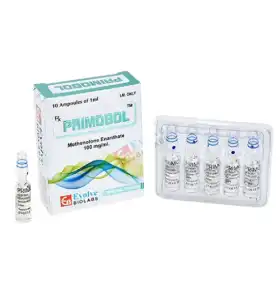
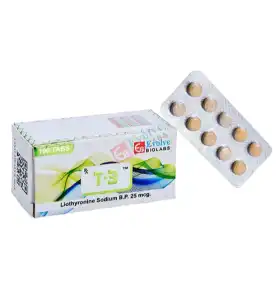
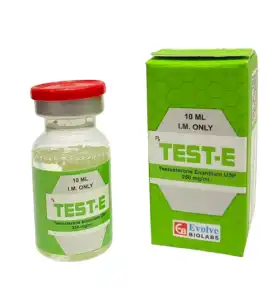
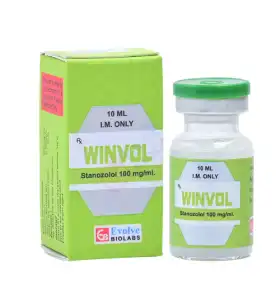
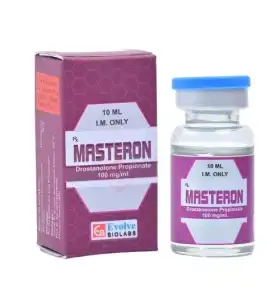
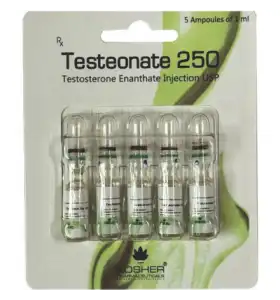
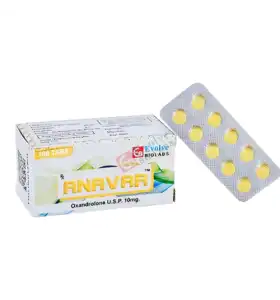
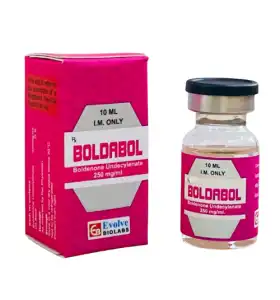
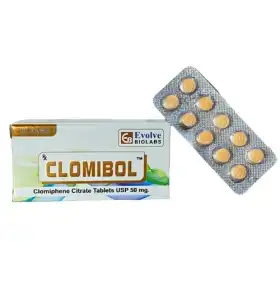
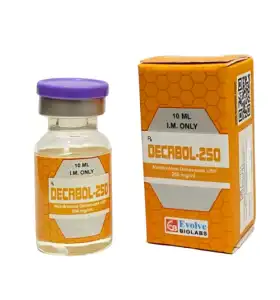
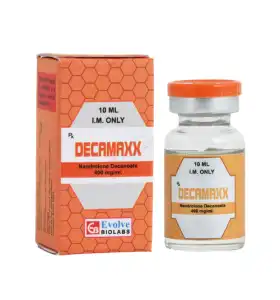
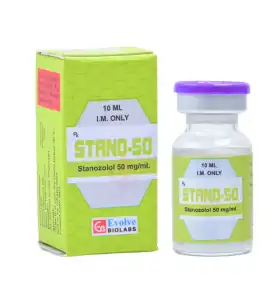
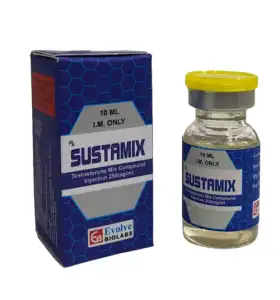
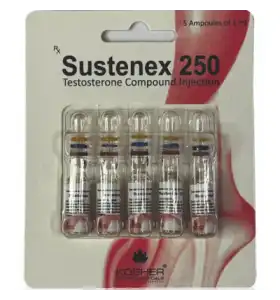
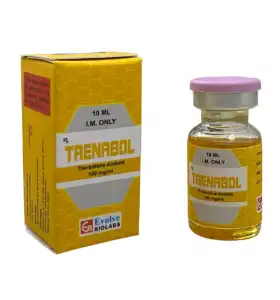
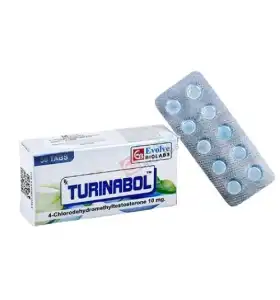
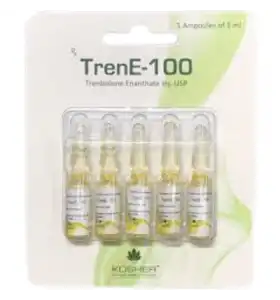
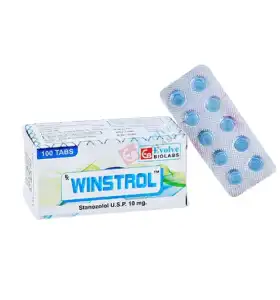
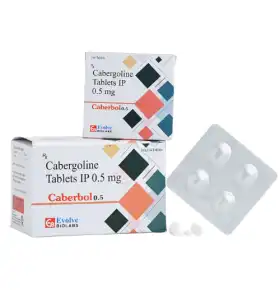
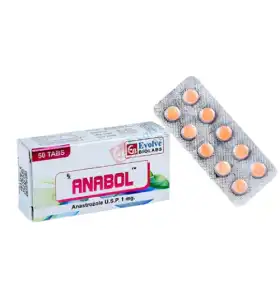
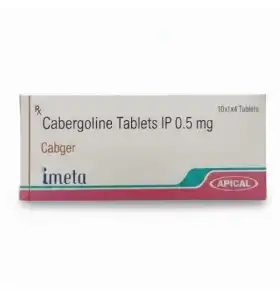
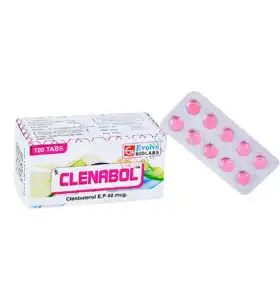
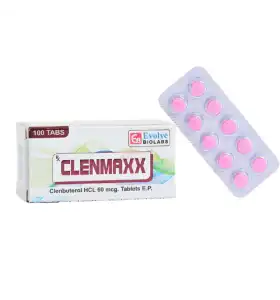
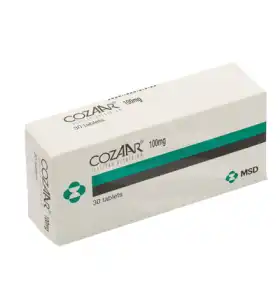
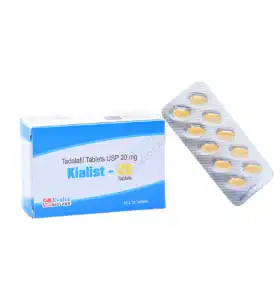
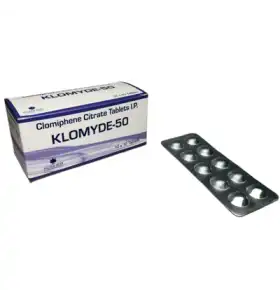
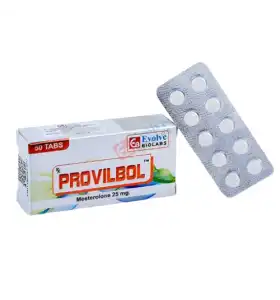
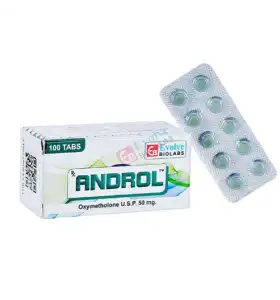
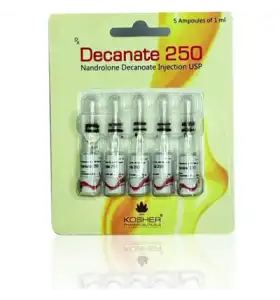
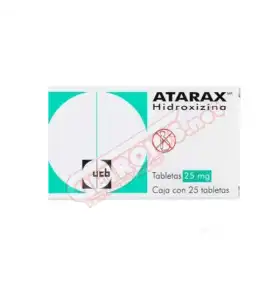
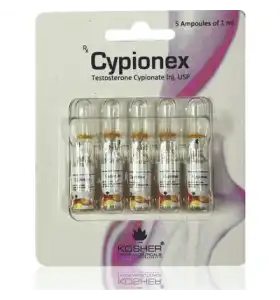
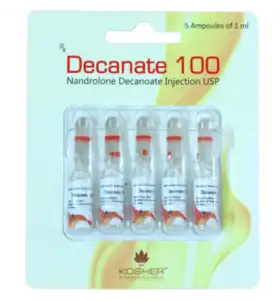
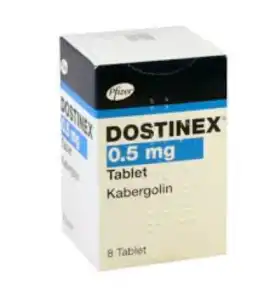
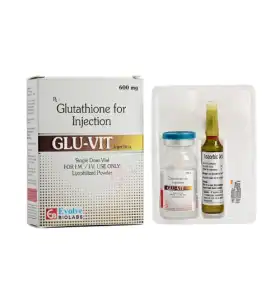
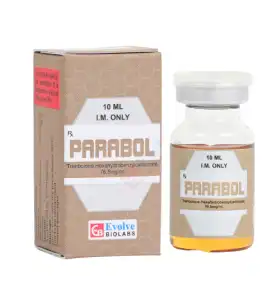
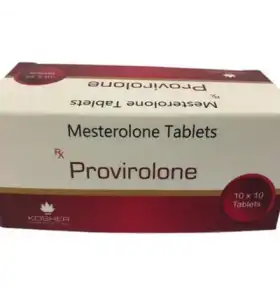
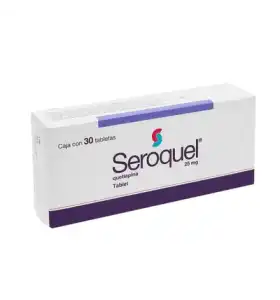
Pharma Grade Products brings together listings that are presented as pharmacy-manufactured or pharmaceutical-brand items across a wide range of forms, strengths and pack formats. On this page, the most useful approach is product identification: checking the exact product name, stated substance where shown, strength, dosage form, pack count, brand or manufacturer, and any model or presentation details printed in the listing.
Because this category can include very different product types, it is important to compare each listing on its own specification rather than by name alone. Similar names may appear in different strengths, tablet counts, vial presentations, creams, lotions, capsules or other formats. A clear category page should help distinguish those differences so that packaging details, manufacturer references and product format can be reviewed carefully before any further verification.
What to Compare
When reviewing products in this category, start with the exact listing title. In pharma-grade ranges, a small difference in wording can indicate a different strength, a different form, or a different manufacturer. For example, one listing may refer to tablets, another to capsules, another to cream, lotion, ointment or vial presentation. The product name should always be read together with the stated strength and pack information where available.
- Check the full product name, including any brand reference and manufacturer name.
- Confirm the stated strength carefully, such as mg, IU, ml, g or other printed unit where shown in the listing.
- Distinguish the dosage form or product form: tablets, capsules, cream, ointment, lotion, vial or other presentation.
- Review pack quantity closely, especially where multiple numbers appear in the title.
- Look for manufacturer-specific presentation details that help separate similar listings.
- Compare whether the listing refers to a single pack, a single vial, or a counted tablet or capsule presentation.
This category may include examples such as tablets with a stated mg strength, topical products with a stated gram or millilitre quantity, and vial-based listings with an IU or mg reference. It may also include non-pharmaceutical support items listed alongside pharmacy-related products. That makes specification clarity especially important. A name match on its own is not enough; the form, strength and pack details should also align.
Where a listing includes a recognised pharmaceutical brand, compare the branding format and the way the manufacturer is named. Large manufacturers often have consistent naming patterns across strengths and pack sizes, while different brands may present the same stated substance in a different format. This is useful for distinguishing one listing from another without relying on assumptions.
Technical Overview
The category includes a broad mix of pharmacy-grade references. Based on the available product details, examples may include oral tablet presentations, capsule formats, topical creams and lotions, vial-based items, and other packaged references. Some listings are identified primarily by brand and strength, while others are identified by a product name plus a manufacturer or international brand reference.
- Category name
- Pharma Grade Products
- Typical information to review
- Product name, stated substance where shown, brand, manufacturer, strength, dosage form, pack size and packaging presentation
- Possible forms in this category
- Tablets, capsules, creams, ointments, lotions, vials and other packaged product formats shown in individual listings
- Strength formats seen in listings
- Examples may include mg, IU, ml, cc or g, depending on the product reference
- Brand/manufacturer references
- Listings may include pharmaceutical brands and manufacturer names as part of the product identification
- Comparison priority
- Match the exact title, form, strength and pack information before comparing similar products
Some category entries show how varied the range can be. One listing may be a 28-tablet presentation with a stated mg strength, another may be a 30-capsule format, another a topical cream in grams, and another a vial presentation with an IU reference. Even where two products appear related by name, the technical details may place them in different sub-types. This is why the category should be read as a specification-led collection rather than a single uniform product group.
The available category data also shows a mix of mainstream pharmaceutical brands and other named manufacturers. That means brand comparison can be useful, but only when combined with the exact product format. A tablet listing should not be treated as equivalent to a vial listing simply because part of the name appears similar. Likewise, a topical presentation should be checked by its printed quantity and form rather than by brand alone.
Safety and Verification
For pharmacy-grade listings, verification should focus on the information presented on the original packaging and in the product title. Check that the brand name, manufacturer, strength, form and pack count are consistent across the listing details. If batch, expiry or serial information is shown on the packaging at the time of receipt, it should be reviewed against the printed carton or label rather than assumed from the product name alone.
Retain the packaging for verification. This is particularly important in categories where similar names can appear in multiple strengths or forms. The original carton, blister information, leaflet references and vial or bottle labelling may all help distinguish one presentation from another. Store according to the information printed on the original packaging.
The material signals supplied with the source data are not relevant to this category and have been excluded because they do not logically describe pharmacy-grade product specifications. For this type of category, the meaningful comparison points are the pharmaceutical presentation details rather than unrelated material fields.
Where a listing includes a known manufacturer, that information can help with comparison, but it should still be checked alongside the exact strength and form. A recognised brand name does not remove the need to verify the full specification. Careful review of the printed presentation remains the most reliable way to distinguish similar references in a mixed category such as this one.
Popular Compounds
Featured Brands
- Abdi Ibrahim
- Apical Pharma
- Astra Zeneca
- AVENTIS
- DEVA
- Driada Medical EU
- Evolve Biolabs INT
- Ipsen
- Kocak Farma
- Kosher Pharma
- Lilly
- Mahram Darou IR
Frequently Asked Questions
- What does pharma grade mean on this category page?
- It indicates listings presented as pharmaceutical-brand or pharmacy-manufactured product references, identified by their printed name, manufacturer, strength, form and pack details.
- What is the most important detail to compare first?
- The exact product title should be checked first, then the stated strength, dosage form and pack quantity where available.
- Can similar product names refer to different items?
- Yes. Similar names may appear in different strengths, forms or pack formats, so the full specification should always be reviewed.
- Why are brand and manufacturer names useful here?
- They help distinguish between presentations that may share a similar product name but differ in source, packaging style or listed specification.
- Are all items in this category the same type of product?
- No. The available category data shows a mixed range that may include tablets, capsules, topical products, vials and other packaged references.
- How should packaging information be handled?
- Retain the packaging for verification and compare the printed details with the listing information, including name, strength, form and pack presentation.