



First-time buyers often compare steroids, SARMs, peptides and fat-burner products without a clear framework for judging what they are actually looking at. Product pages can mix compound names, brand names, dosage strengths, pack sizes and research-only language in ways that make comparison harder than it should be. This guide is designed as a practical knowledge hub for visitors in South Africa and across Africa who want to understand product attributes, packaging formats, label details and verification points before making any purchasing decision.
The aim here is not to promote misuse or give treatment advice. Instead, it is to help readers assess product-page information more carefully, distinguish between common product categories and identify the checks that matter when reviewing an online listing.
Understanding the main product categories
Online catalogues in this space usually group products into several broad categories. These categories may look similar on a storefront, but they differ in form, intended context and the type of information a careful buyer should verify.
Steroid products
Steroid listings commonly refer to anabolic-androgenic compounds by either their generic compound name, a brand-style product name or both. A product page may also specify whether the item is an injectable oil, an oral tablet or capsule, or a blend containing more than one active compound. For comparison purposes, the most useful details are the exact compound identity, declared strength, total volume or tablet count, manufacturer name and batch-related label information where available.
SARMs listings
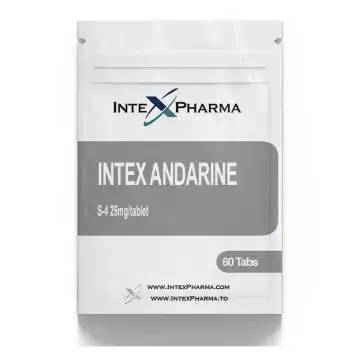
SARM products are often presented in capsule, tablet or liquid form. Because naming conventions can vary, it is important to check whether the listing clearly states the active compound, concentration per serving unit or per millilitre, total bottle size and any research-use or not-for-human-consumption statement shown by the seller or manufacturer. Clear labelling matters more than broad marketing claims.
Peptides and related research-format products
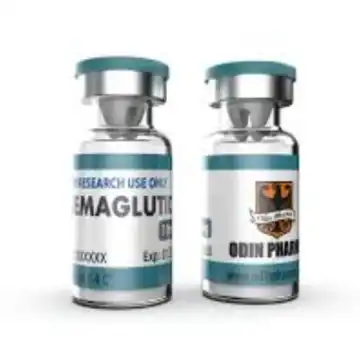
Peptide listings are frequently sold in vial format and may be described by net content, such as the amount of lyophilised material in the vial. These products often require especially careful reading because the product page may include storage notes, reconstitution-related language or research-use wording. A reliable listing should make the compound name, vial count and manufacturer or source identity easy to find.
Fat burners and related support products
Products marketed as fat burners can include stimulant-based formulations, non-stimulant blends or single-ingredient products. These pages should be reviewed for ingredient transparency, capsule count, serving information and any warnings or restrictions stated on the label. Vague promises are less useful than a complete ingredient panel and a clearly identified manufacturer.
How to read a product page properly
A good product page should help you answer basic factual questions quickly. If key details are missing, hidden or inconsistent, that is a reason to slow down and verify more carefully.
- Compound or product identity: The listing should clearly state what the product is, not just use a catchy name.
- Format: Check whether it is an injectable, oral, liquid, vial, tablet, capsule or ampoule-based product.
- Strength and size: Look for concentration, tablet strength, vial content, bottle volume and pack quantity.
- Manufacturer: A credible listing should identify the brand or laboratory behind the product.
- Batch or verification details: Some products include batch numbers, scratch codes, QR-based checks or other authenticity markers.
- Label images: Clear photos of the front, side and back label are more useful than generic stock images.
When comparing two similar listings, the better page is usually the one that gives more complete factual information with less exaggerated language. A cautious buyer should prioritise clarity over hype.
Common product formats and what they mean
Understanding format helps you compare like with like. Two products may contain similarly named compounds but differ significantly in packaging, concentration or presentation.
Injectable vials and ampoules
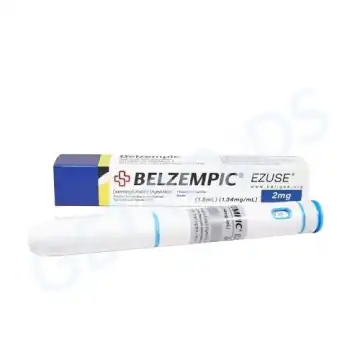
Injectable products are commonly sold in multi-dose vials or sealed ampoules. Product pages may list concentration per millilitre and total volume. In blends, the label should identify each compound and its stated amount. Buyers should also look for packaging details such as tamper-evident seals, printed batch codes and consistent label design across the box and container.
Oral tablets and capsules
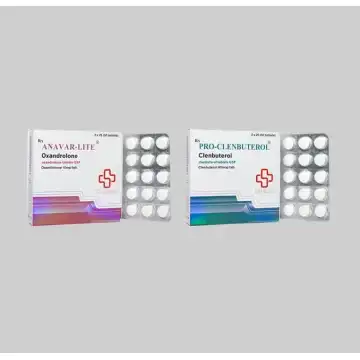
Oral products are usually easier to compare because the listing can show strength per tablet or capsule and total count per pack. Even so, it is worth checking whether the product page distinguishes between tablets and capsules, includes clear pack images and states the manufacturer rather than relying only on a reseller description.
Research liquids and peptide vials
Liquids and peptide products often require closer attention to concentration, total volume and storage-related wording. A listing should not leave the buyer guessing about whether the bottle contains a ready-made liquid, a dry vial or a multi-vial kit. Precision in the description is a basic quality signal.
Label checks that matter before buying
Label quality does not prove authenticity on its own, but poor or inconsistent labelling is a warning sign. First-time visitors should get used to checking a product page as if they were auditing a label.
- Name consistency: The product name on the page should match the label image.
- Strength consistency: The stated strength should be the same across title, description and images.
- Pack-size consistency: Bottle volume, vial count or tablet count should not conflict between sections.
- Manufacturer details: The brand name should be visible and spelled consistently.
- Batch and expiry fields: Where shown, these should appear professionally printed or marked, not improvised.
- Security features: If the manufacturer uses scratch codes, QR verification or holograms, the product page should mention them accurately rather than vaguely.
If a seller uses only promotional text and avoids showing the actual packaging, that limits your ability to verify what is being offered. Clear packaging images and complete specifications are more informative than broad assurances.
Verification and authenticity signals
Verification is one of the most important parts of evaluating a product listing. In this category, buyers often rely on a combination of manufacturer-level checks and seller-level transparency.
Manufacturer-side verification
Some brands provide authenticity systems such as serial numbers, scratch panels or online code checks. If a product page references a verification method, it should explain what type of check exists without overstating what it guarantees. A careful buyer should confirm that the verification method matches the manufacturer’s current packaging style where possible.
Seller-side transparency
A trustworthy seller should make it easy to see what is being sold, how it is labelled and what warehouse or fulfilment context applies if that information is relevant. Product pages should avoid contradictions about origin, format or brand identity. Clear contact information, straightforward policies and consistent catalogue data are practical trust signals.
Image quality and catalogue consistency
Low-quality images, mismatched packaging across variants or repeated use of the same image for different products can make verification harder. A well-maintained catalogue usually presents each product with the correct format, strength and packaging visuals rather than generic placeholders.
Responsible-use information without medical advice
Responsible-use content on a product page should focus on factual handling and decision-making rather than instructions for use. That means clear statements about product format, intended research context where applicable, storage notes if supplied by the manufacturer and the importance of reading labels carefully before purchase.
It is also reasonable for a knowledge hub to remind visitors that legal status, import rules and product restrictions can vary by country and product type. Buyers in South Africa or elsewhere in Africa should review current local requirements independently before ordering. A seller should not present legal or customs outcomes as guaranteed.
Good product information helps buyers compare labels, formats and verification features. It should not replace professional medical, legal or regulatory advice.
How first-time visitors can compare products more confidently
For a new visitor, the easiest way to reduce confusion is to compare products using the same checklist each time. This keeps attention on verifiable facts rather than marketing language.
| Comparison point | What to check |
|---|---|
| Identity | Exact compound or formula name |
| Format | Injectable, oral, liquid, vial, ampoule or capsule |
| Strength | Per ml, per tablet, per capsule or per vial |
| Pack size | Total volume, count or number of units |
| Manufacturer | Named brand or laboratory |
| Verification | Batch code, scratch code, QR or other authenticity marker |
| Images | Real packaging photos rather than generic artwork |
This approach is especially useful when comparing similar categories such as oral versus injectable products, peptide vials from different brands or multiple listings that appear to describe the same compound in different packaging.
What a high-quality knowledge hub should include
For steroid, peptide and related product pages, a useful knowledge hub should answer the questions buyers actually have at the point of comparison. That includes what the product is, how it is packaged, how it is labelled, what verification features may exist and what limitations apply to the information shown on the page.
- Verified product attributes
- Compound name, strength, format, pack size, manufacturer and visible label details.
- Context
- Whether the item is presented as an oral, injectable or research-format product and how that affects comparison.
- Verification
- Any manufacturer security features or seller transparency points that help assess authenticity.
- Responsible framing
- Clear boundaries that avoid dosage advice, cycles, PCT instructions or medical claims.
For first-time visitors in South Africa, this kind of factual structure is more useful than broad claims about popularity, delivery certainty or guaranteed outcomes. Clear product data, consistent labelling and transparent verification information are the foundations of a better buying decision.
For further reading on product-page clarity and online retail transparency, buyers may also review general guidance from consumer protection and ecommerce best-practice sources in their region. Where a manufacturer provides official product verification instructions, those should be consulted directly through the brand’s own channels.
Comments and Ratings
No comments yet. Be the first to share your view.