


Pfizer Genotropin is a branded recombinant human growth hormone product associated with somatropin, a laboratory-produced version of human growth hormone. For first-time visitors comparing peptides, injectables, oral products and other research-format listings, the most useful starting point is not hype but product literacy: what the compound is, how the product is commonly presented, what the label should communicate and how to assess whether a listing is clear, traceable and responsibly described.
This guide focuses on factual product-page interpretation rather than treatment use. It does not cover dosing, cycles, post-cycle therapy or medical advice. Instead, it helps readers understand how Genotropin is typically identified, how its presentation differs from other categories and what to review before relying on any product information.
What Pfizer Genotropin refers to
Genotropin is a brand name used for somatropin, a recombinant form of human growth hormone. In product-context terms, that means the active compound is not an oral steroid, not a conventional peptide blend and not a tablet-based item. It belongs to a category of biologic hormone products that are generally discussed in relation to injection-based delivery systems and manufacturer-specific presentation formats.
When a product page references Pfizer Genotropin, the key factual elements should distinguish the brand, the active compound and the format. A clear listing should avoid blending these into vague marketing language. Readers should be able to identify whether the page is describing a branded pharmaceutical presentation, a research-format equivalent or a general somatropin-related item without ambiguity.
How it differs from steroids, peptides and oral products
Many visitors arrive while comparing several categories at once: anabolic steroids, peptide vials, oral compounds and injectable hormones. Genotropin sits apart from standard oral products because it is not a swallowable tablet or capsule format. It also differs from many peptide listings because branded somatropin products are usually presented with more structured manufacturer labelling, device compatibility information or cartridge and pen references.
Compared with typical anabolic steroid listings, the product language around Genotropin should centre on identity, presentation and storage-related clarity rather than broad physique claims. A high-quality knowledge hub page should help users recognise these category differences so they can compare like with like instead of treating every injectable listing as interchangeable.
Common product formats and presentation types
One of the most important checks on any Genotropin-related page is the presentation format. Depending on market and packaging context, somatropin products may appear as cartridges, dual-chamber systems, preconfigured pen-related formats or other manufacturer-defined presentations. Product pages should explain the format plainly rather than assuming prior knowledge.
What format details should be visible
- Brand and compound naming: the page should clearly separate Genotropin as the brand from somatropin as the active substance.
- Presentation type: cartridge, pen-compatible system, powder-related format or another clearly named configuration.
- Pack information: the number of units, devices or components included should be stated in a readable way.
- Manufacturer attribution: the listing should identify the stated manufacturer without vague references.
- Intended product category: pharmaceutical-branded, research-format or comparison-only informational content.
If a listing omits the format entirely, visitors cannot reliably compare it with other injectable or peptide products. Format transparency is especially important because delivery systems and packaging conventions can vary significantly between branded hormone products and generic-style listings.
Labelling and packaging checks that matter
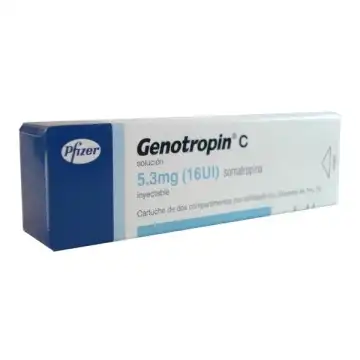
For cautious buyers and researchers, the label often tells more than the sales copy. A useful product page should reflect the information that appears on the packaging or official product identification materials. That includes the exact product name, the active compound, the presentation format, batch or lot references where appropriate and any storage or handling notes that are relevant to the format.
Signs of a clearer, more trustworthy listing
- Consistent naming: the product title, short description and detailed description use the same compound and brand references.
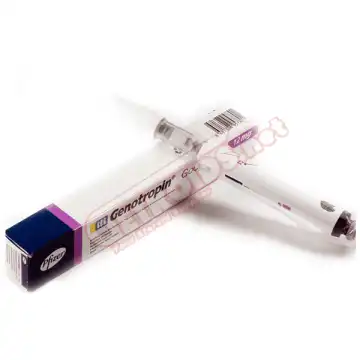
- Readable images or transcribed label details: users can verify what the page claims against visible packaging information.
- No exaggerated promises: the listing avoids dramatic body-composition or performance claims unrelated to product identification.
- Specific format language: terms such as cartridge, pen or vial are used accurately rather than interchangeably.
- Traceability cues: the page explains what can be checked on receipt, such as seal condition, printed identifiers or packaging consistency.
By contrast, a weak listing often relies on generic claims, unclear images and inconsistent terminology. That makes it harder for first-time visitors to understand whether they are viewing a branded item, a lookalike presentation or a loosely described somatropin-related product.
Verification and authenticity considerations
Verification is especially important for products that are widely recognised by brand name. A responsible knowledge hub should not promise authenticity in absolute terms, but it should explain what users can review. This includes packaging consistency, manufacturer naming, batch-related information where available and whether the seller provides a transparent description of the exact format being offered.
Where a product page mentions verification, it should be careful and factual. Good practice is to describe the presence of identifiers, seals, printed codes or packaging features without implying that one visual cue alone proves legitimacy. Authenticity assessment is strongest when multiple details align: product naming, format, packaging quality, seller transparency and consistency across the listing.
Verification should be treated as a process of cross-checking details, not as a single claim made in a headline.
How to compare Genotropin pages with other related listings
Visitors often compare Genotropin with peptide products, generic somatropin entries or unrelated injectable compounds. The most practical approach is to compare structured facts rather than category buzzwords. Ask whether each page identifies the active compound, the format, the manufacturer or source context and the exact pack contents in a way that can be checked.
A simple comparison framework
| Check point | What to look for |
|---|---|
| Compound identity | Clear statement that the product relates to somatropin |
| Brand context | Whether Genotropin is described as a brand rather than a generic category term |
| Format clarity | Specific mention of cartridge, pen-related system, vial or other presentation |
| Label consistency | Matching details across title, images and description |
| Verification cues | Batch, packaging, seal or identifier information described carefully |
| Responsible language | No unsupported medical, physique or performance claims |
This kind of comparison helps separate informative listings from pages built mainly around search traffic. For premium medical ecommerce, clarity and restraint are stronger trust signals than aggressive promises.
Responsible-use information on a product knowledge page
A responsible Genotropin knowledge page should explain what the product is and how to interpret the listing, while avoiding instructions for self-directed use. That means no cycle planning, no dosage guidance and no treatment claims. Instead, the page can cover handling context at a high level, the importance of reading labels carefully and the need to rely on qualified professional guidance for any health-related decisions.
It is also reasonable for a product page to distinguish between educational content and transactional content. Educational sections can define the compound and format, while the product section should focus on what is actually being offered, how it is labelled and what verification details are available.
What a strong Sterolix product page should include
For a first-time visitor, the best product pages reduce uncertainty quickly. A Sterolix knowledge-led listing for Pfizer Genotropin should present the product name accurately, identify somatropin as the active compound context, explain the format in plain language and provide enough packaging and labelling detail for informed comparison. It should also avoid overstating benefits or blurring the line between factual description and medical guidance.
- Exact product naming that reflects the label and format
- Clear category placement within injectable or hormone-related listings
- Visible or transcribed packaging details for comparison and verification
- Consistent terminology across title, description and images
- Cautious, professional language that supports informed browsing
In short, Pfizer Genotropin content works best when it helps users verify what they are looking at. For a category where brand recognition, format differences and packaging details all matter, factual structure is more useful than promotional copy.
Comments and Ratings
No comments yet. Be the first to share your view.